The short answer. High-temperature insulation slows heat escaping from hot industrial equipment. A suitable lining helps keep energy in the process, limits outer-surface temperatures, and supports reliable operation. Ceramic fiber is one option; bricks and other refractories serve different roles within the same system.
Keep useful heat inside the process.
A furnace or kiln needs heat to transform a material: firing ceramics, treating metal, or heating a process stream. Some supplied energy reaches the product; some escapes through walls, openings, exhaust gases, and other paths. Insulation addresses part of that loss, especially heat passing through the equipment enclosure.
Heat naturally moves from a hotter region toward a cooler one. Within a solid wall, conduction carries it through the lining. At the outside surface, convection and radiation transfer heat to the surroundings. Insulation adds resistance to this outward flow. It slows heat transfer rather than stopping it completely.
Thermal conductivity describes how readily a material conducts heat. Its value changes with temperature, so a room-temperature figure alone is not enough for furnace selection. Thickness also matters: the material, installed layers, joints, and operating conditions together determine the result.
Insulation is part of a lining system.
A lining is the material system between the hot chamber and the equipment shell. Its hot face meets the process environment; backup layers can reduce heat reaching the shell. The diagram shows one possible arrangement. It does not mean every furnace needs the same materials or layer order.
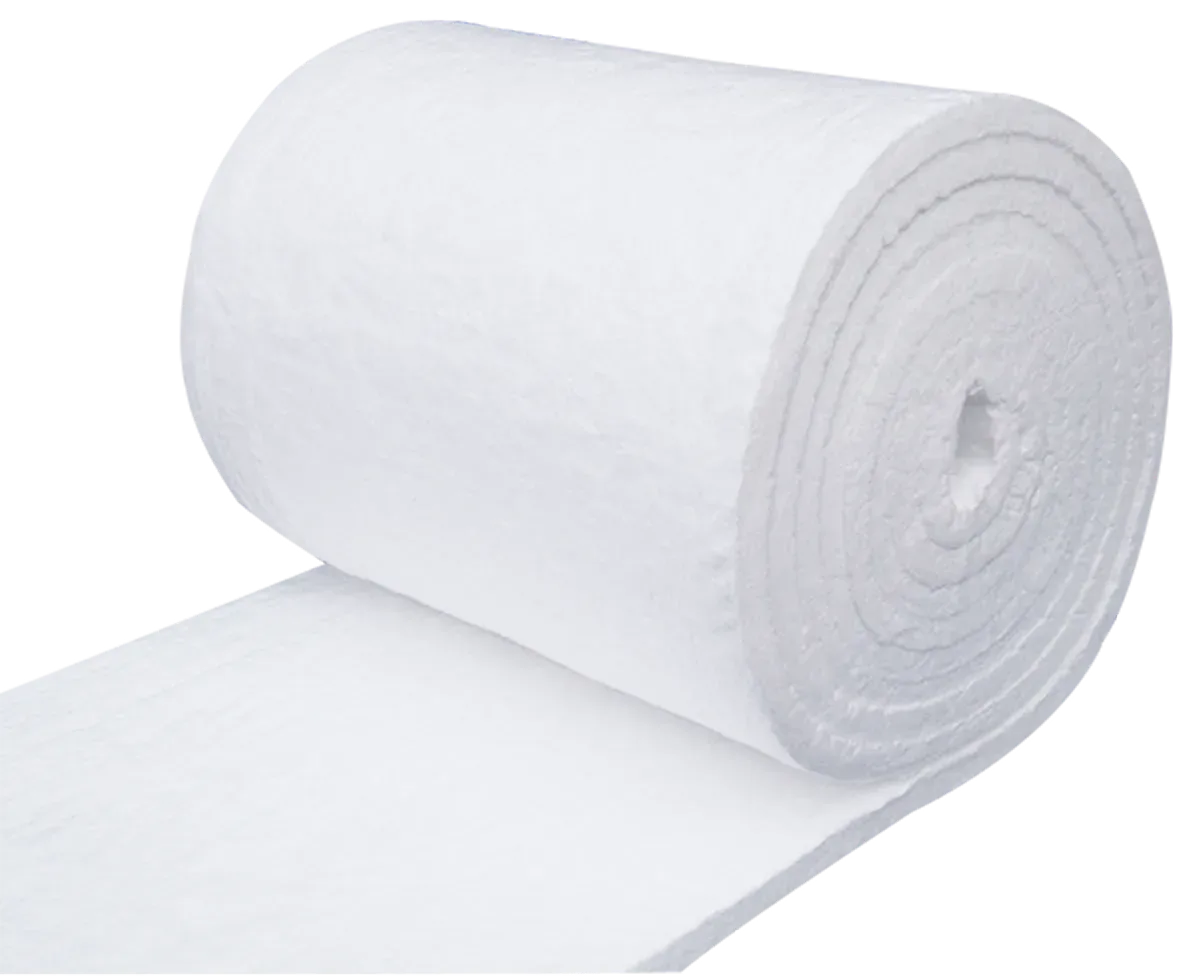
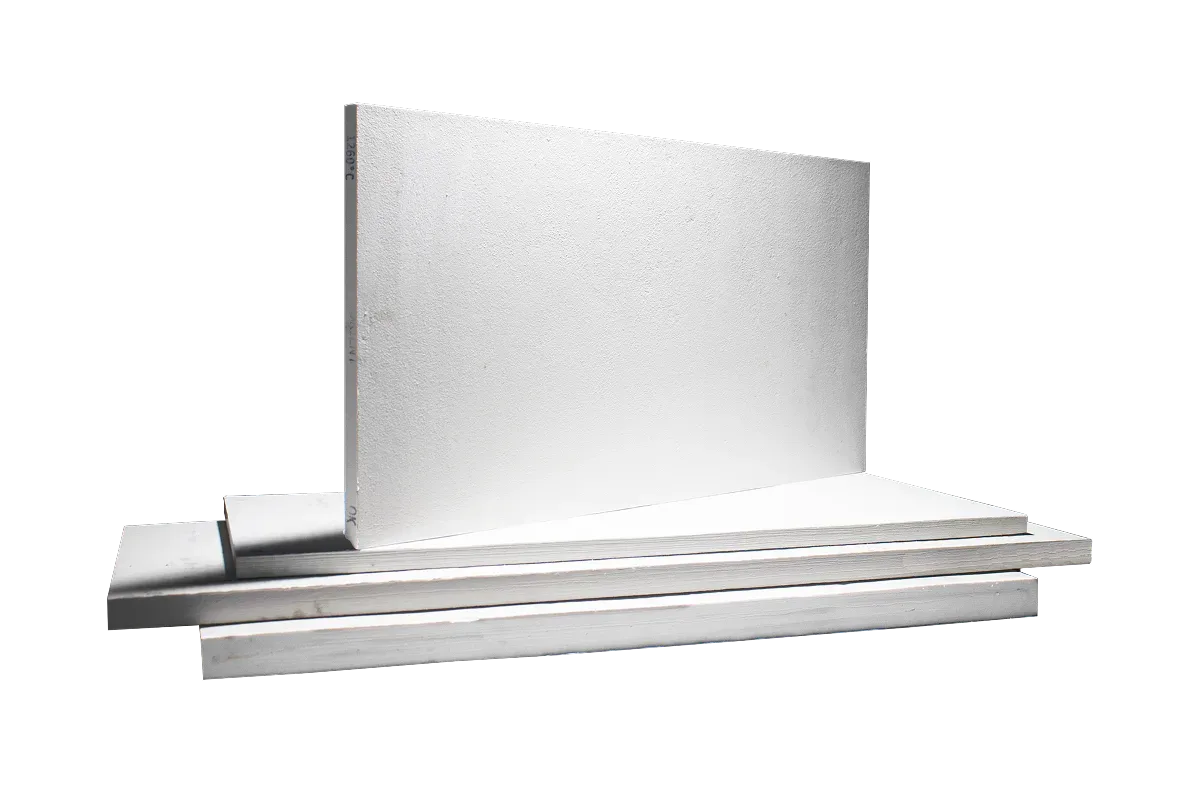
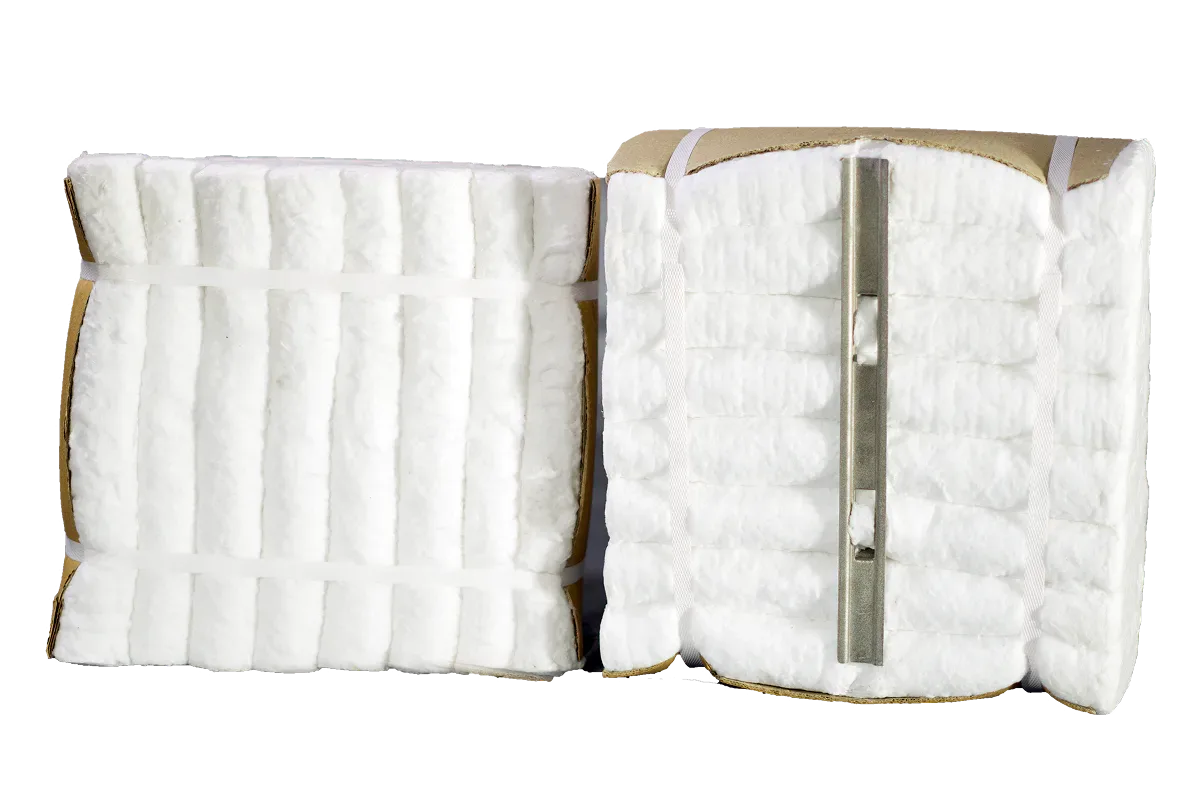
Refractory ceramic fiber (RCF) is an alumina-silicate fiber used in many high-temperature insulation products. RCF blanket is flexible; board provides a more rigid form; modules assemble fiber into lining units with anchoring arrangements. Their low weight and low heat storage can be useful where the lining must heat and cool regularly. Product form and grade still need to suit the application.
Dense firebricks, insulating firebricks, and castables have their own roles. Dense refractories are often considered where strength, wear, or process contact matters, while insulation bricks can combine a shaped lining with insulating performance. Ceramic fiber and bricks may complement each other. The right choice follows the conditions, rather than a universal “best material” claim.
Where it is used—and why it matters.
Typical settings include ceramic kilns, heat-treatment furnaces, process heaters, furnace doors, and high-temperature ducts. Within one installation, a wall, roof, door seal, and wear-exposed floor can require different solutions.
- Less heat loss: a suitable lining reduces energy escaping through the enclosure. Actual fuel or electricity savings depend on the whole process.
- Lower heat storage: a lightweight fiber lining may store less heat than a heavier lining, which can be useful during repeated heating cycles.
- Better control of surface temperatures: insulation can limit heat reaching the shell, but a safe-to-touch surface must be verified for the actual design.
- Support for consistent operation: sound insulation helps manage thermal conditions; burners, controls, loading, and maintenance also influence product quality.
Insulation cannot recover every loss. Poor door seals, open gaps, and exhaust losses need separate attention. A visibly damaged lining deserves investigation before simply adding another layer.
Choose for the conditions, not only the temperature label.
Begin with normal operating temperature, peak exposure, cycle duration, and atmosphere. Then consider gas velocity, vibration, abrasion, chemical contact, available space, and the required outer-surface temperature. These factors help determine the material grade, thickness, protective hot face, and attachment method.
Classification temperature is not an automatic continuous-use limit. Ask for the selected grade’s recommended service conditions and shrinkage data. Density alone also does not establish performance: compare thermal-conductivity data at relevant temperatures and review the complete installed lining.
Flexible fiber does not replace a structural or wear-resistant refractory in every location. Joints, anchors, penetrations, and installation quality can create weak points even with a suitable product. Handling and maintenance should follow the product’s current safety data sheet, including applicable dust-control and protective measures.
Common questions
Is ceramic fiber always better than firebrick?
No. Fiber can suit lightweight insulation duties, while brick may suit mechanical demands or a different process environment. Some designs use both. Compare the complete lining against your operating requirements.
Can I choose insulation using the maximum temperature only?
No. Continuous exposure, atmosphere, mechanical conditions, thickness, and installation all matter. Confirm service limits for the exact product grade.
How much energy will new insulation save?
There is no universal percentage. Estimate heat loss using the proposed design, then compare operating measurements under similar production conditions. Wall insulation is only one part of furnace efficiency.
Sources & review
By Ranipa Enterprise LLP · Published 30 August 2026
Technical reviewer: Not yet assigned · Technical review pending
Source references checked: 11 October 2026. Technical review date: Pending.
- U.S. Department of Energy — Improving Process Heating System Performance — Heat-loss fundamentals.
- Morgan Thermal Ceramics — Products & systems — Fiber and refractory material families.
- Morgan Thermal Ceramics — Classification temperature — Temperature terminology; grade-specific guidance.
- Ranipa — Ceramic fiber blanket technical data — Supplied product specifications.
Educational guide. Application recommendations require the selected product’s current technical and safety data and a suitable lining design.