The short answer. Dense firebrick is selected for an exposed refractory duty, including the required strength and resistance to the process environment. Insulation brick is selected primarily to reduce heat flow with less lining mass. They can work together, and a suitable insulating firebrick can also serve at the hot face in some applications.
First, make the product names clear.
“Firebrick” is a broad term for a refractory brick that tolerates high-temperature service. Insulating firebricks are therefore also firebricks. In everyday buying discussions, however, people often say “firebrick” when they mean a dense refractory brick, and “insulation brick” when they mean an insulating firebrick, or IFB.
This article uses that everyday comparison while keeping the distinction clear: dense refractory brick versus insulating refractory brick. A quotation should identify the actual grade, composition, dimensions and intended lining position. Two bricks with the same shape or similar color can have very different properties.
Dense bricks generally contain more solid refractory material per unit volume. Insulating bricks use a structure with greater porosity to help limit heat transfer. That structural difference affects weight and thermal behavior, but grade-specific data is still needed for strength, service temperature and exposure suitability.
Different duties inside the same wall.
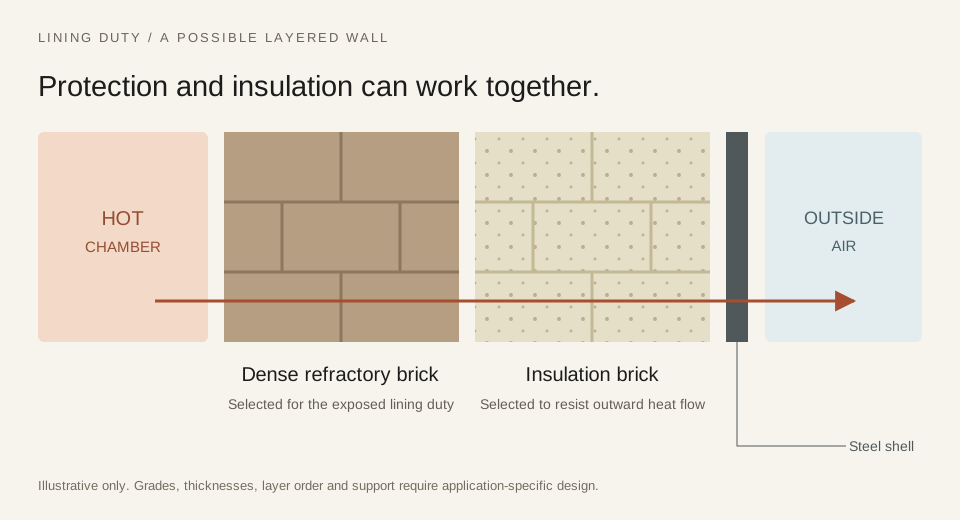
A dense hot-face layer may be considered where the process requires a robust refractory surface. Selection can involve load, wear, chemical environment and temperature stability. “Dense” by itself does not guarantee resistance to every slag, gas or molten material; the chemistry and grade must match the duty.
An insulating brick layer can reduce heat reaching the equipment shell. In some designs it sits behind a protective refractory layer; in others, a suitable IFB is itself the exposed lining. The choice depends on temperature, atmosphere, loading and the severity of contact or erosion.
| Priority | Dense refractory brick | Insulation brick |
|---|---|---|
| Main design question | Can it withstand the exposed duty? | Can it provide suitable insulation? |
| Relative lining mass | Generally higher | Generally lower |
| Possible position | Working or protective layer | Backup or suitable hot-face layer |
| Essential checks | Composition, strength, wear and service data | Conductivity, stability, strength and service data |
Protection, heat retention and practical operation.
Furnaces and kilns often bring several requirements together: contain the process heat, protect the shell, support the lining and tolerate the working environment. A single material may not be the best answer for every position. Walls, roofs, doors and heavily contacted floors can need different arrangements.
Dense brick can provide a selected working surface, while insulating brick behind it can help reduce outward heat loss. Lower lining mass and heat storage may also matter during repeated heating cycles. The benefits depend on the actual materials, thicknesses and operation; neither a savings percentage nor a service-life claim should be assumed.
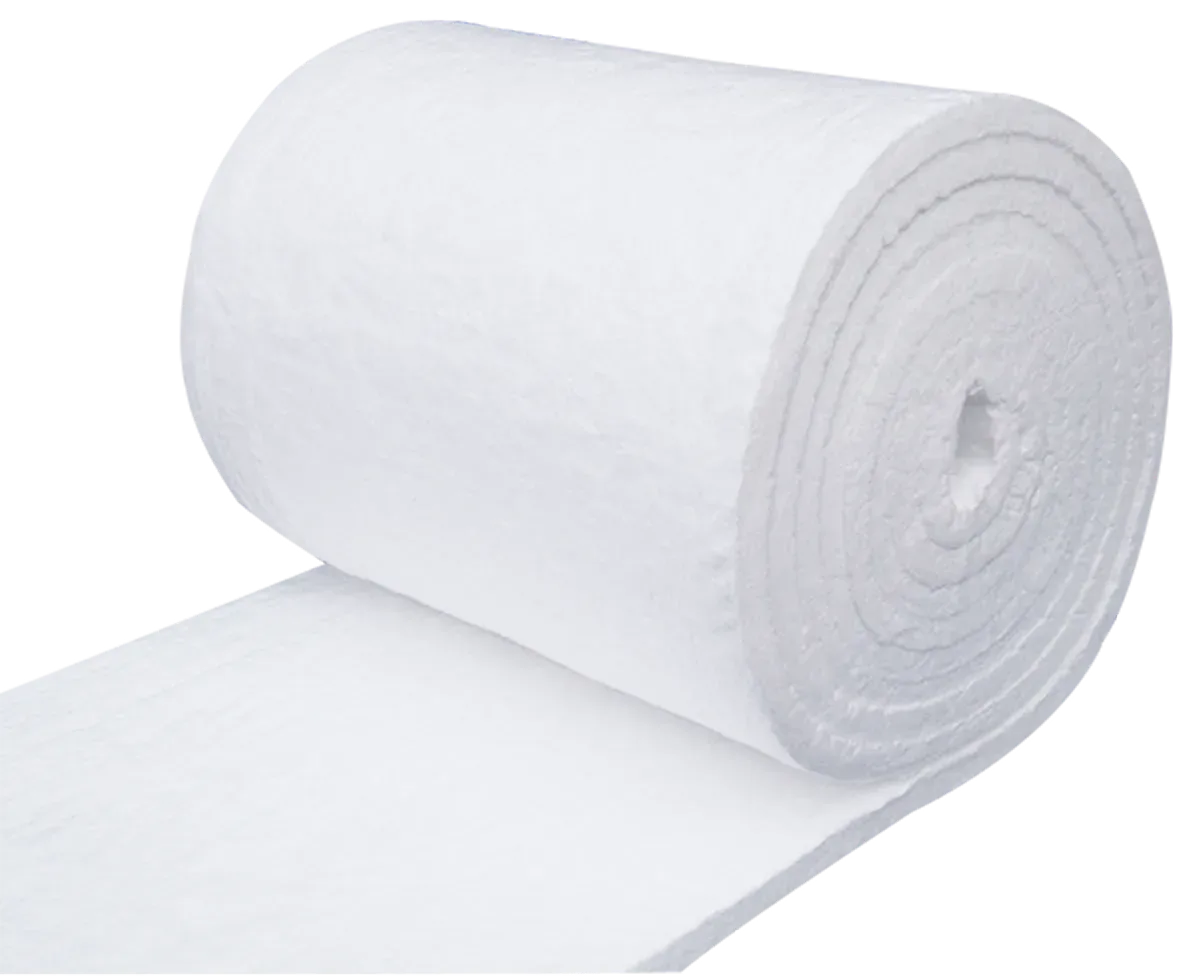
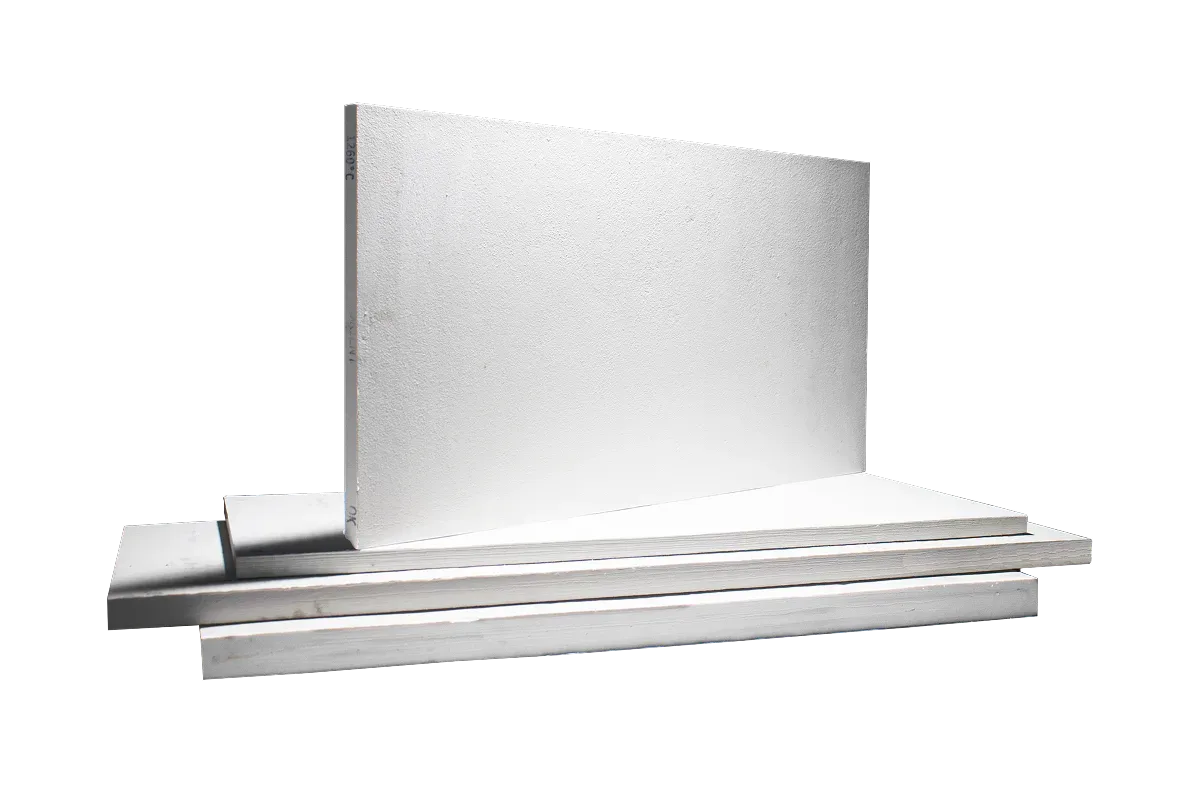
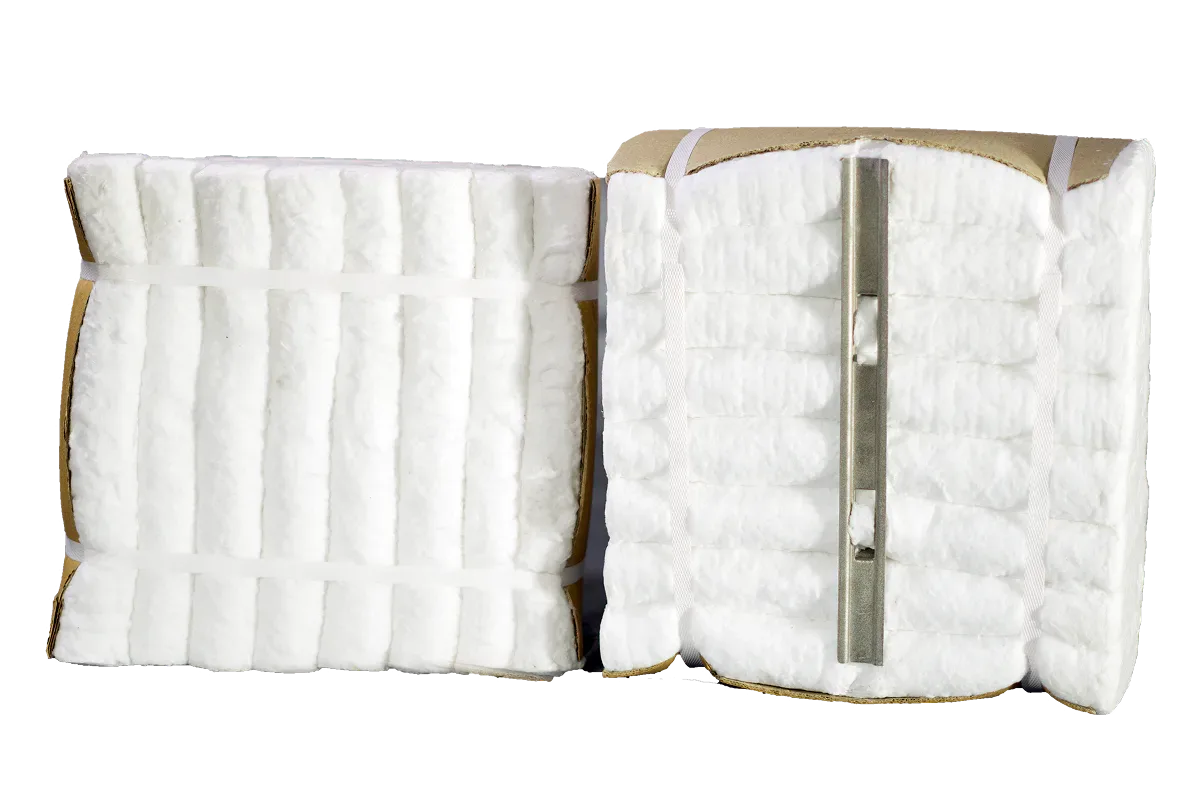
Refractory ceramic fiber (RCF) adds another option. Blanket, board or modules may be considered in appropriate parts of an insulation system, alongside bricks. Fiber is not automatically a replacement for the required refractory working surface, and an insulating brick is not automatically interchangeable with a fiber layer.
Specify the duty before the brick grade.
Start with normal and peak temperatures, the time at temperature and the number of heating cycles. Describe the atmosphere and any contact with ash, chemicals, solids or molten material. Then identify mechanical loads, abrasion, gas movement, support details and the proposed lining position.
Review thermal conductivity at relevant temperatures, permanent dimensional change, strength and temperature limits for the exact grade. For a multilayer wall, evaluate the temperature at each interface as well as the shell. A backup brick sees different conditions from the exposed surface, but it still needs an appropriate service specification.
Installation also matters. Brick dimensions, joints, mortar compatibility, expansion provisions and support arrangements affect the finished lining. Substituting a lighter brick without reviewing these details can change how the assembly behaves.
Ranipa currently lists insulation bricks and ceramic fiber products. Dense firebrick is discussed here for education; it is not presented as part of our current listed product range.
Common questions
Can insulation bricks be exposed directly to furnace heat?
Some grades can, in suitable applications. Confirm temperature, atmosphere, loading and erosion conditions rather than assuming all IFBs are backup materials.
Will replacing dense firebrick with insulation brick save energy?
It may change heat loss and heat storage, but suitability must come first. Evaluate the proposed wall and exposed duty before calculating savings or approving a substitution.
Are insulation bricks and ceramic fiber interchangeable?
Not automatically. They differ in form, weight, support and mechanical behavior. A designer should assess the complete lining when changing between them.
Sources & review
By Ranipa Enterprise LLP · Published 11 October 2026
Technical reviewer: Not yet assigned · Technical review pending
Source references checked: 11 October 2026. Technical review date: Pending.
- Morgan Thermal Ceramics — Insulating firebricks, firebricks and mortars — Insulating and dense refractory brick families.
- Morgan Thermal Ceramics — SR-90 and SR-99 firebrick data sheet — An example of dense high-alumina brick; values are product-specific.
- U.S. Department of Energy — Process heating sourcebook — Heat losses and insulation in process equipment.
- Ranipa — Insulation bricks — Current enquiry category and selection information.
Educational guide. Application recommendations require the selected product’s current technical and safety data and a suitable lining design.