
Thermal classification
Choose the classification only after considering the normal service temperature, heat cycling, atmosphere and desired cold-face performance.
Rigid thermal insulation
Rigid, machinable ceramic fiber board in 1100°C, 1260°C and 1425°C grades for industrial insulation.
Product overview
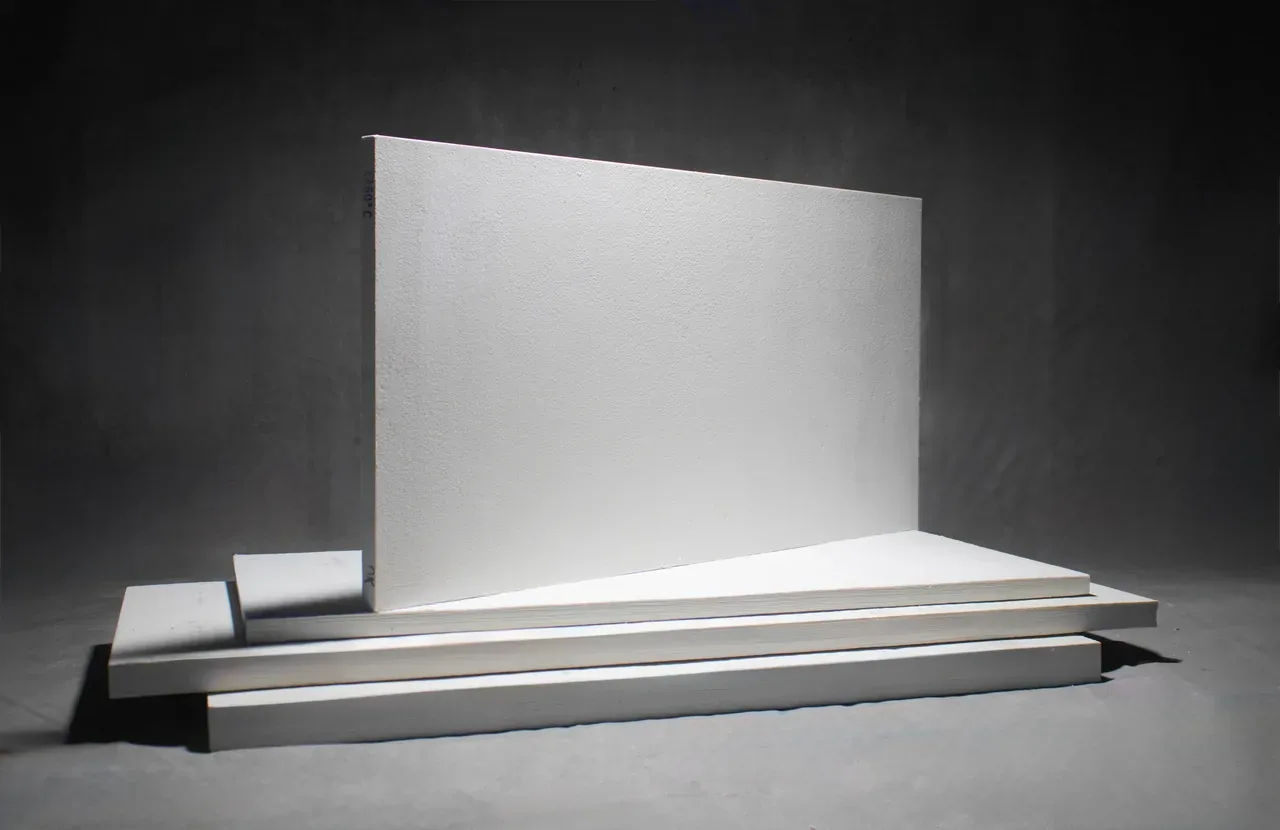
Ceramic fiber board is a rigid insulation product formed from high-purity alumina-silicate fibers with inorganic and organic binders selected for the required grade. Its low thermal conductivity and machinability make it suitable for linings, backup insulation and fabricated high-temperature components.
Refractory ceramic fiber (RCF) identifies the alumina-silicate fiber family used in these products. Confirm the selected grade’s composition, service limits and safety data for your application.
Available specifications are confirmed for each enquiry according to application, quantity and required delivery schedule.
Request a quotationProduct details
Ceramic fiber board provides rigid, low-heat-storage insulation for industrial equipment that needs a self-supporting panel or a precisely fabricated thermal component. Compared with flexible blanket, board offers greater dimensional stability and can be cut or machined to suit furnace panels, baffles, heat shields, gaskets and backup-lining details.
Ranipa coordinates ceramic fiber board export supply from India across 1100°C, 1260°C and 1425°C classifications, including standard, high-density and high-strength formulations. Standard density configurations range from 280 to 480 kg/m³, while specialist high-strength options are available above 720 kg/m³ and above 800 kg/m³. Density, hardness, thickness and dimensions vary by grade, so mechanical duty should be considered alongside thermal performance.
Organic binder can burn out during initial heating and may produce temporary smoke or odour. Installation and commissioning procedures should therefore account for ventilation, heating rate and the equipment manufacturer’s safety requirements. Where hot-face exposure, erosion or load-bearing duty is involved, the complete lining design must be reviewed rather than selecting by temperature alone.
International buyers can specify full boards or fabricated dimensions up to the available 100 mm thickness range. Ranipa aligns technical information, order quantity, packing configuration and shipment documentation with the final commercial requirement. A drawing or dimensional schedule helps define tolerances, edge condition and inspection criteria before production.
Characteristics
Industry use
Technical information
Values shown are an overview of the currently available range. Final specification and tolerances are confirmed in the commercial documentation.
| Classification temperatures | 1100°C, 1260°C and 1425°C |
|---|---|
| Standard density range | 280–480 kg/m³ depending on grade |
| High-strength grades | Above 720 kg/m³ and above 800 kg/m³ |
| Standard thicknesses | 10, 12, 20, 25, 35, 50, 75 and 100 mm |
| Standard lengths | 900, 1000 and 1200 mm |
| Standard widths | 500 and 600 mm |
| Colour | White or off-white depending on grade |
| Thermal-conductivity test method | ASTM C177 |
Selection note: Physical properties and strength vary by formulation, density, thickness and firing conditions. Final selection should be confirmed against the required service environment.
Selection guidance
A complete enquiry helps align the product configuration with the service environment and export requirement.
Choose the classification only after considering the normal service temperature, heat cycling, atmosphere and desired cold-face performance.
Standard, high-density and high-strength boards serve different mechanical duties. Load, vibration, machining and handling requirements should be stated.
Provide thickness, length, width, quantity and any critical tolerances. Fabricated shapes require a drawing and agreement on inspection criteria.
Binder burnout, ventilation and first-heat procedure must be considered by the installer and equipment engineer before the board enters service.
Buyer questions
The current range covers 1100°C, 1260°C and 1425°C classifications, with standard, high-density and high-strength options subject to thickness and dimension availability.
Yes. Board is commonly cut and machined into panels, gaskets and fabricated insulation parts. Final tolerances and edge condition should be agreed before production.
Provide classification or operating temperature, density or strength requirement, thickness, length, width, quantity, application, destination and any drawing, packing or inspection requirement.
It is an insulation product and should not be assumed to carry structural loads. Any mechanical or load-bearing duty must be assessed and approved by the responsible design engineer.
Related insulation
Compare the other product forms in Ranipa’s current ceramic fiber insulation export range.
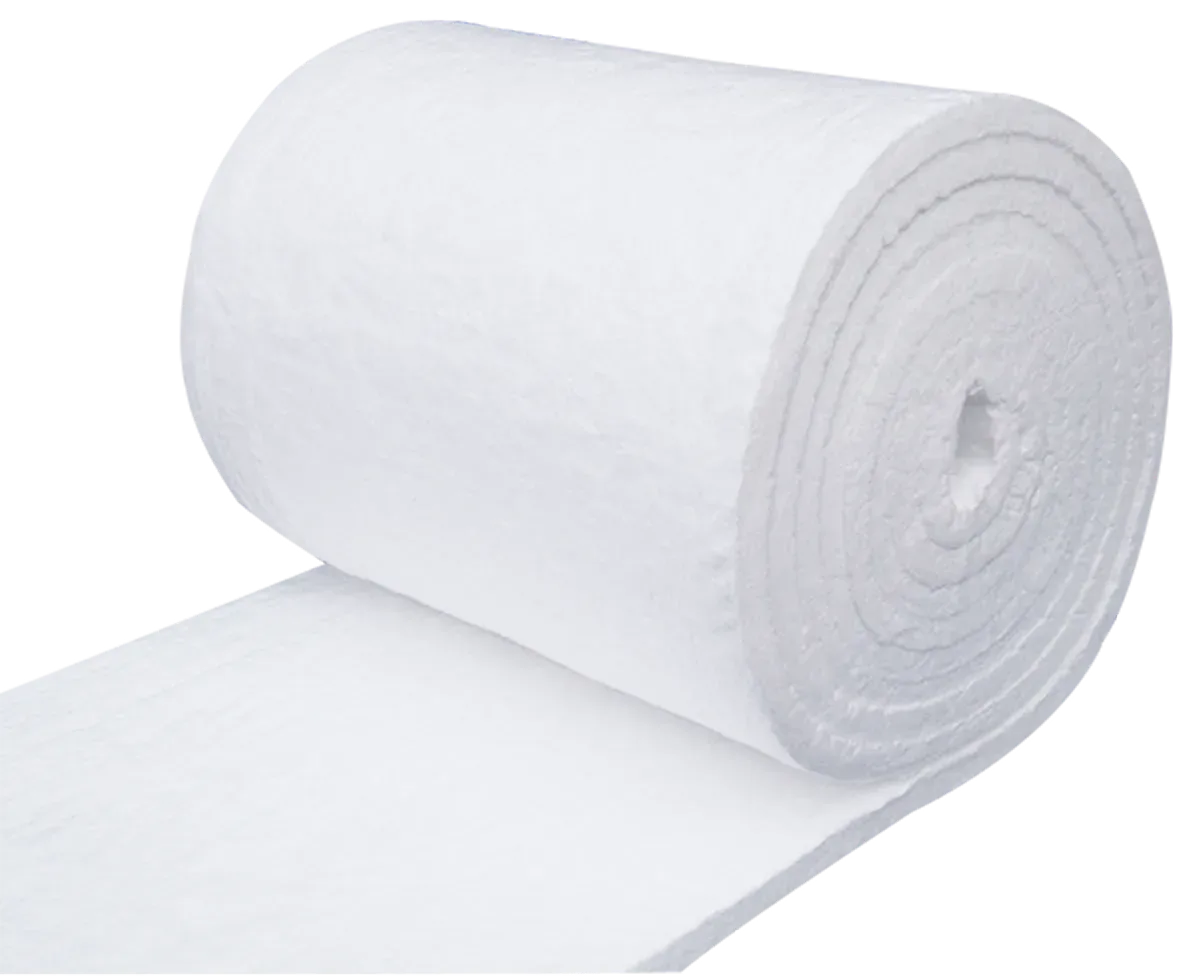
Ceramic fiber insulation
Needled, flexible ceramic fiber insulation in 1260°C and 1425°C grades for industrial thermal systems.
View ceramic fiber blanket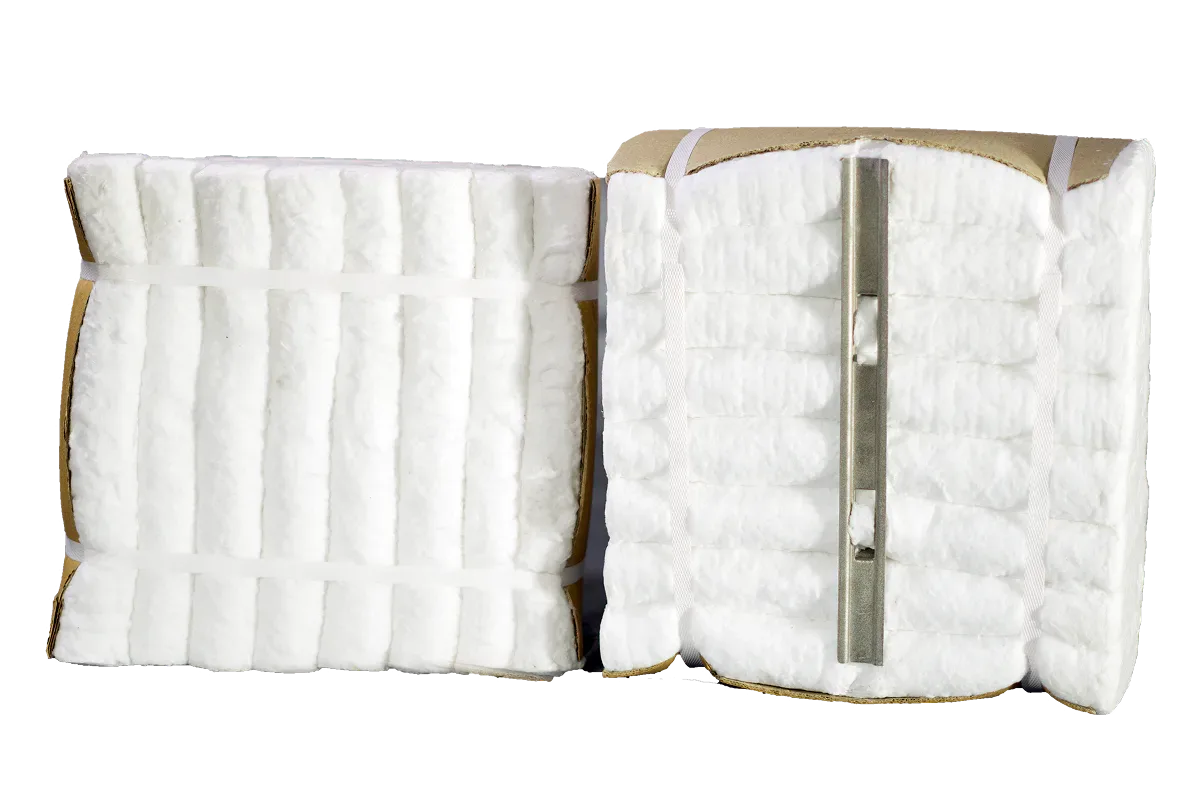
Ceramic fiber insulation
Pre-compressed 1260°C and 1425°C ceramic fiber modules for efficient furnace and kiln lining installation.
View ceramic fiber moduleProduct enquiry
Include the grade, density, thickness or dimensions, quantity, application and destination port for a more precise response.