
Temperature and atmosphere
Confirm the normal operating temperature, peak exposure, furnace atmosphere and any contact with chemicals, molten metal or high-velocity gas.
Flexible high-temperature insulation
Lightweight, needled ceramic fiber insulation for demanding thermal environments.
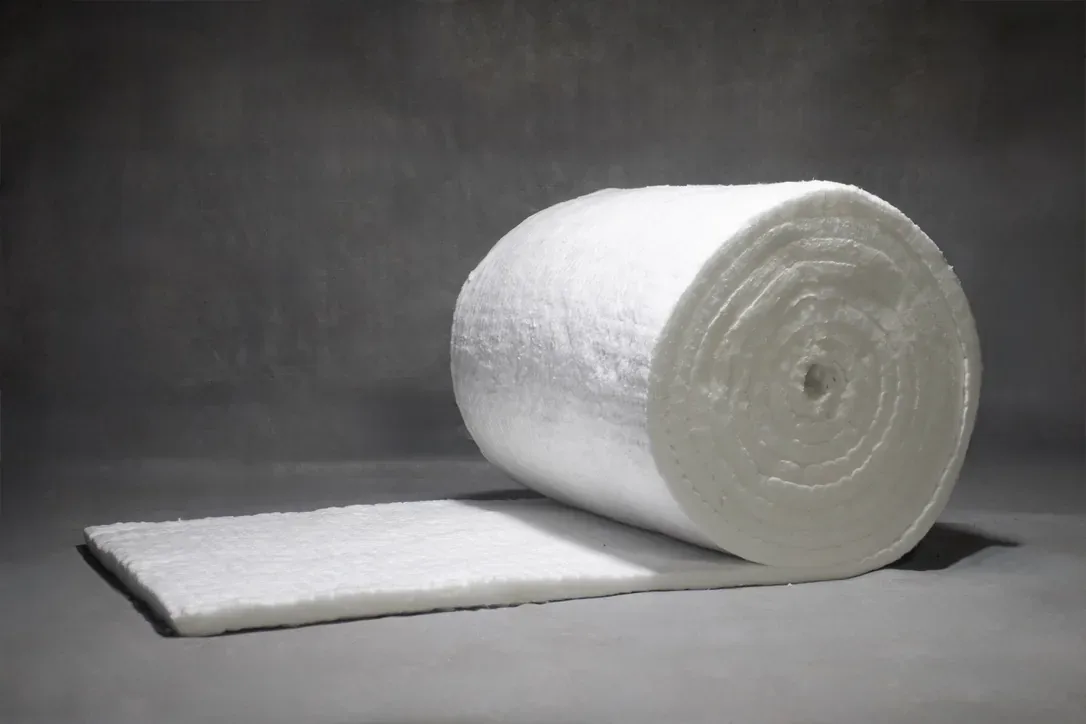
Product overview
Ceramic fiber blanket is manufactured from spun alumina-silicate fibers and formed into a flexible, resilient insulation blanket. It combines low thermal conductivity with resistance to thermal shock and is available in standard and zirconia-containing grades.
Refractory ceramic fiber (RCF) identifies the alumina-silicate fiber family used in these products. Confirm the selected grade’s composition, service limits and safety data for your application.
Available specifications are confirmed for each enquiry according to application, quantity and required delivery schedule.
Request a quotationProduct details
Ceramic fiber blanket is a lightweight, flexible refractory insulation used where equipment must limit heat loss without the weight and thickness of traditional dense refractory systems. The needled fiber structure helps the blanket retain handling strength while remaining easy to cut, wrap and fit around complex equipment geometry.
Ranipa supplies ceramic fiber blanket for export from India in 1260°C classification and 1425°C zirconia grades. Density, thickness, roll length and packing are aligned with the buyer’s drawing, operating conditions and installation method. Standard configurations can support repeat requirements, while non-standard requests are reviewed for manufacturing feasibility.
Common enquiries include hot-face and backup linings, furnace doors, expansion joints, boiler insulation, pipe wrapping and removable insulation systems. The correct grade cannot be selected from classification temperature alone: continuous operating temperature, atmosphere, chemical exposure, gas velocity and mechanical loading also matter.
For international orders, Ranipa coordinates the technical data, product identification, export packing and commercial documentation required for the agreed shipment. Buyers should provide the target application, operating temperature, density, thickness, width, quantity and destination so the quotation reflects the actual requirement.
Characteristics
Industry use
Technical information
Values shown are an overview of the currently available range. Final specification and tolerances are confirmed in the commercial documentation.
| Classification temperatures | 1260°C and 1425°C |
|---|---|
| Available densities | 64, 96, 128 and 160 kg/m³ depending on grade and thickness |
| Standard width | 610 mm |
| Standard thicknesses | 6, 12, 19, 25, 38 and 50 mm |
| Standard roll lengths | 7.30 m, 4.88 m or 3.65 m depending on thickness |
| Colour | White |
| Mean fiber diameter | 2.6–3.4 μm (typical) |
| Thermal-conductivity test method | ASTM C177 |
Selection note: Classification temperature is not the continuous-use temperature. The suitable operating limit depends on application conditions, atmosphere, exposure time and system design.
Selection guidance
A complete enquiry helps align the product configuration with the service environment and export requirement.
Confirm the normal operating temperature, peak exposure, furnace atmosphere and any contact with chemicals, molten metal or high-velocity gas.
Density influences handling, resilience and thermal performance. Compression allowance depends on the lining detail, joints and installation method.
Single- or multi-layer construction should be selected from the required heat-loss target, cold-face temperature and available installation space.
Roll dimensions, carton or pallet packing, container utilization, labeling and moisture protection are confirmed for the destination and order quantity.
Buyer questions
The current export range includes 1260°C classification grade and 1425°C zirconia grade, subject to the required density, thickness, roll dimensions and order quantity.
No. Classification temperature is a product category value, not an automatic continuous-use limit. The service temperature must be evaluated for the application, atmosphere, exposure time and installation design.
Provide the grade or operating temperature, density, thickness, width, roll length if fixed, total quantity, application, destination port and any packing or inspection requirements.
Yes, blanket is commonly considered for furnace and kiln lining systems, but the layer design, anchoring, hot-face exposure and operating conditions must be reviewed by the buyer’s qualified engineer.
Related insulation
Compare the other product forms in Ranipa’s current ceramic fiber insulation export range.
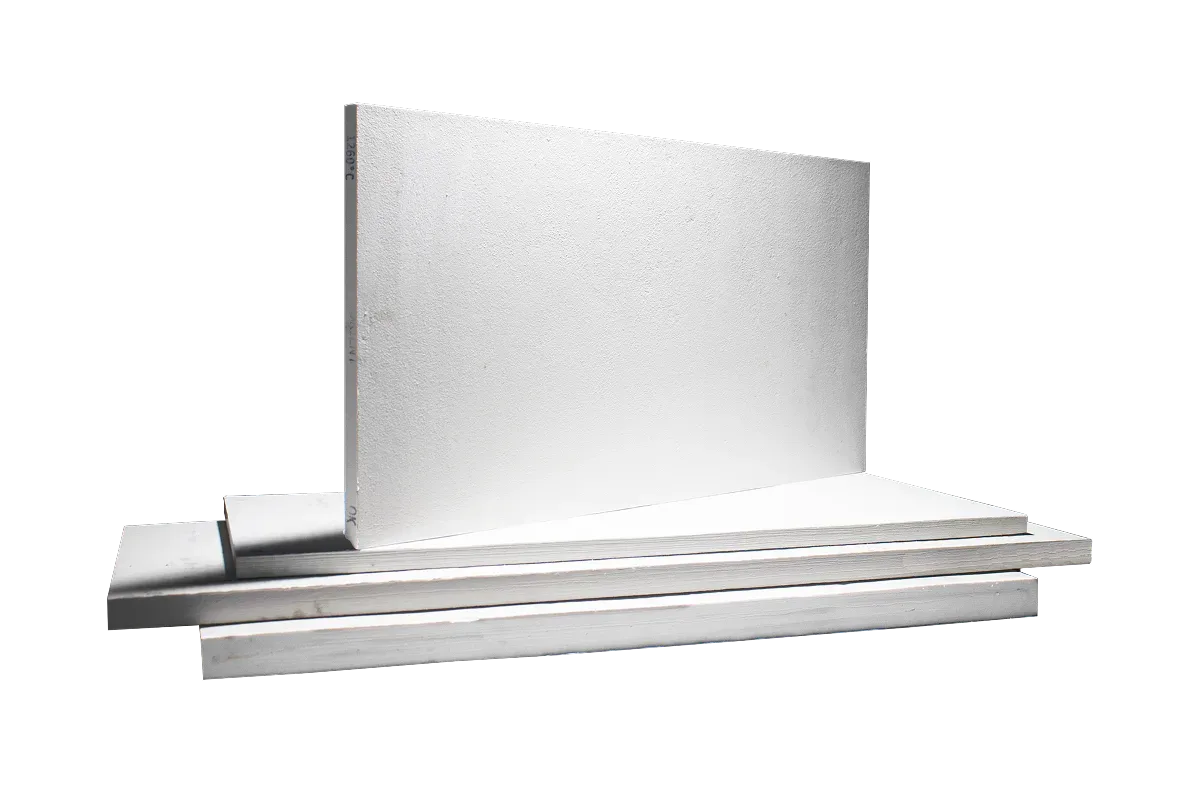
Ceramic fiber insulation
High-density ceramic fiber board engineered for dimensional stability and mechanical strength.
View ceramic fiber board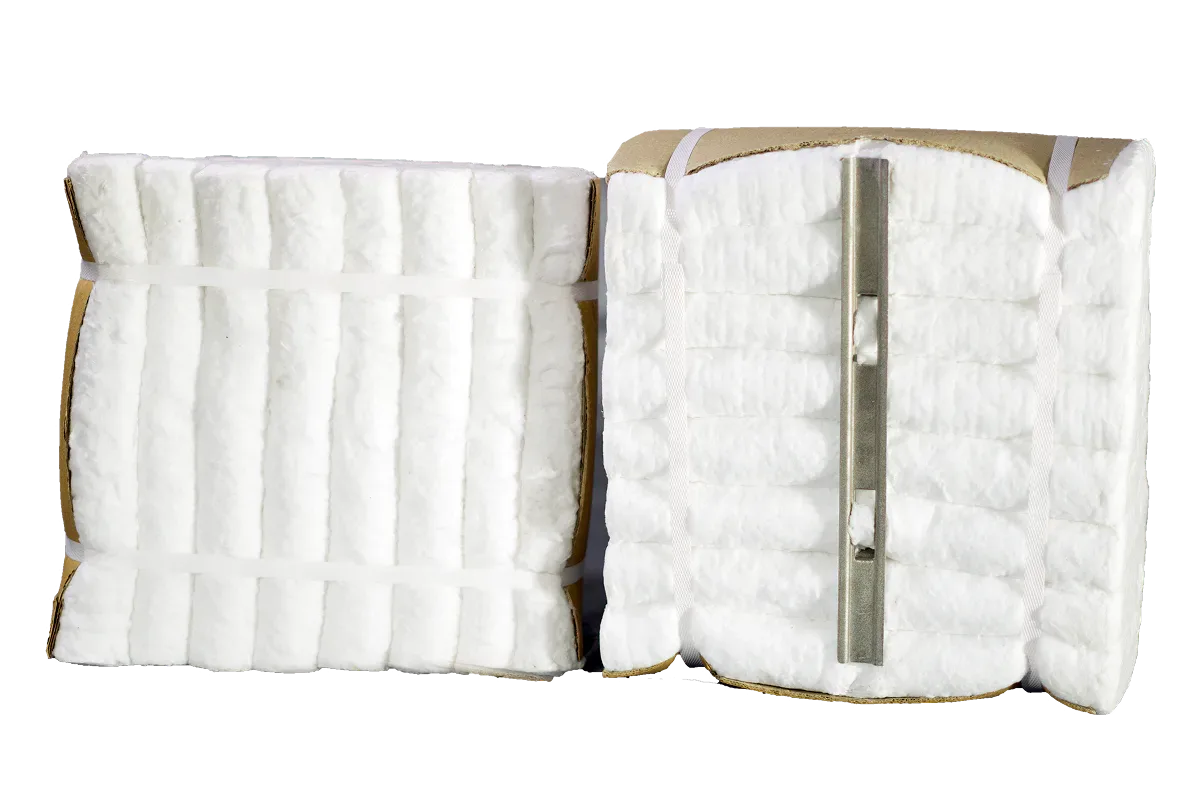
Ceramic fiber insulation
Pre-compressed ceramic fiber modules with anchoring options for rapid installation and durable linings.
View ceramic fiber moduleProduct enquiry
Include the grade, density, thickness or dimensions, quantity, application and destination port for a more precise response.